01
Making the source marks
The first stage focused on speed: drawing, scraping, copying, and rescanning until the surfaces felt unstable and energetic.
Only later were the strongest motifs selected and controlled into a system.
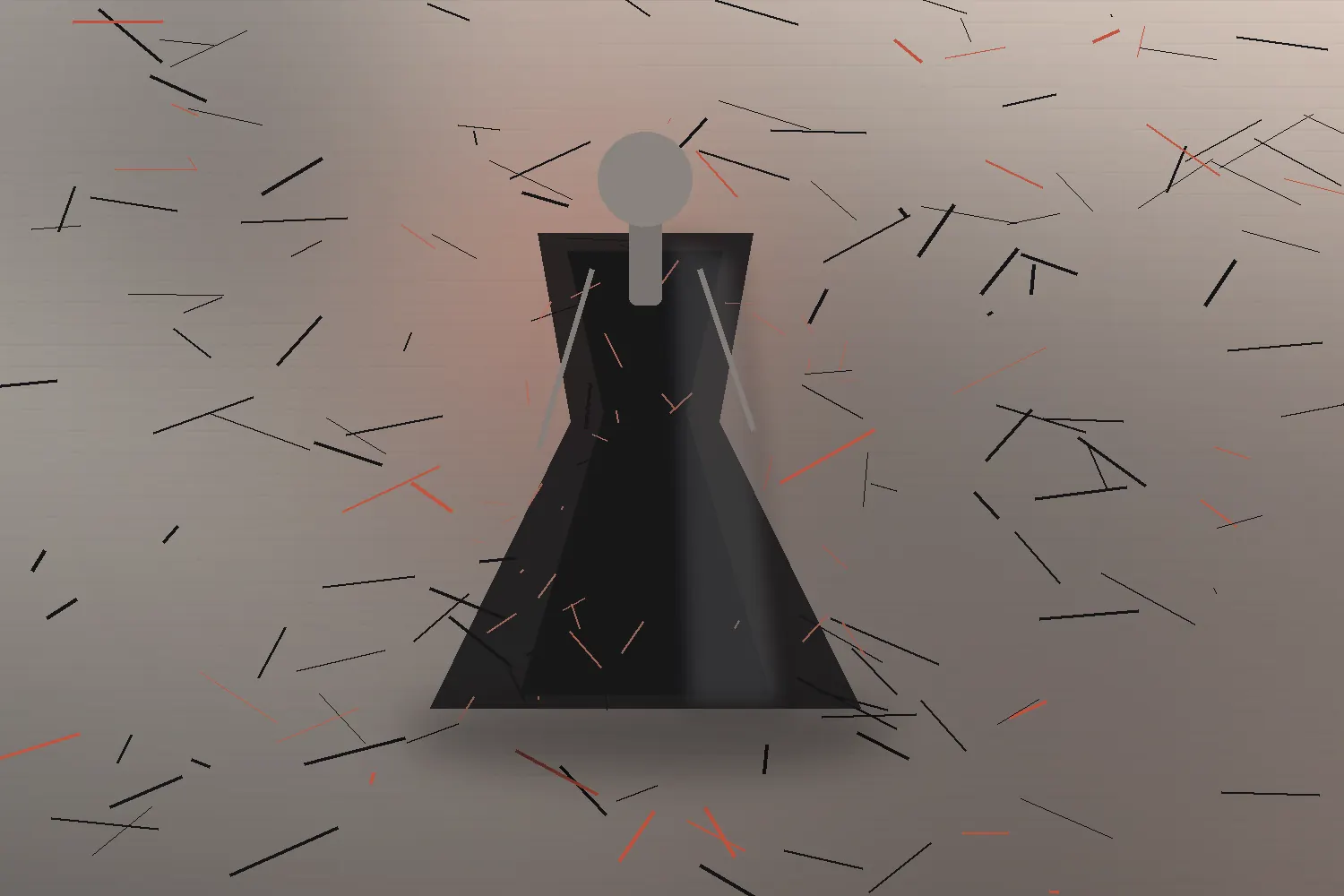
Textile lab / November 2024
From analog mark-making to textile system.
A textile research project translating scanned marks, distortion, and layered repetition into graphic surface treatments.
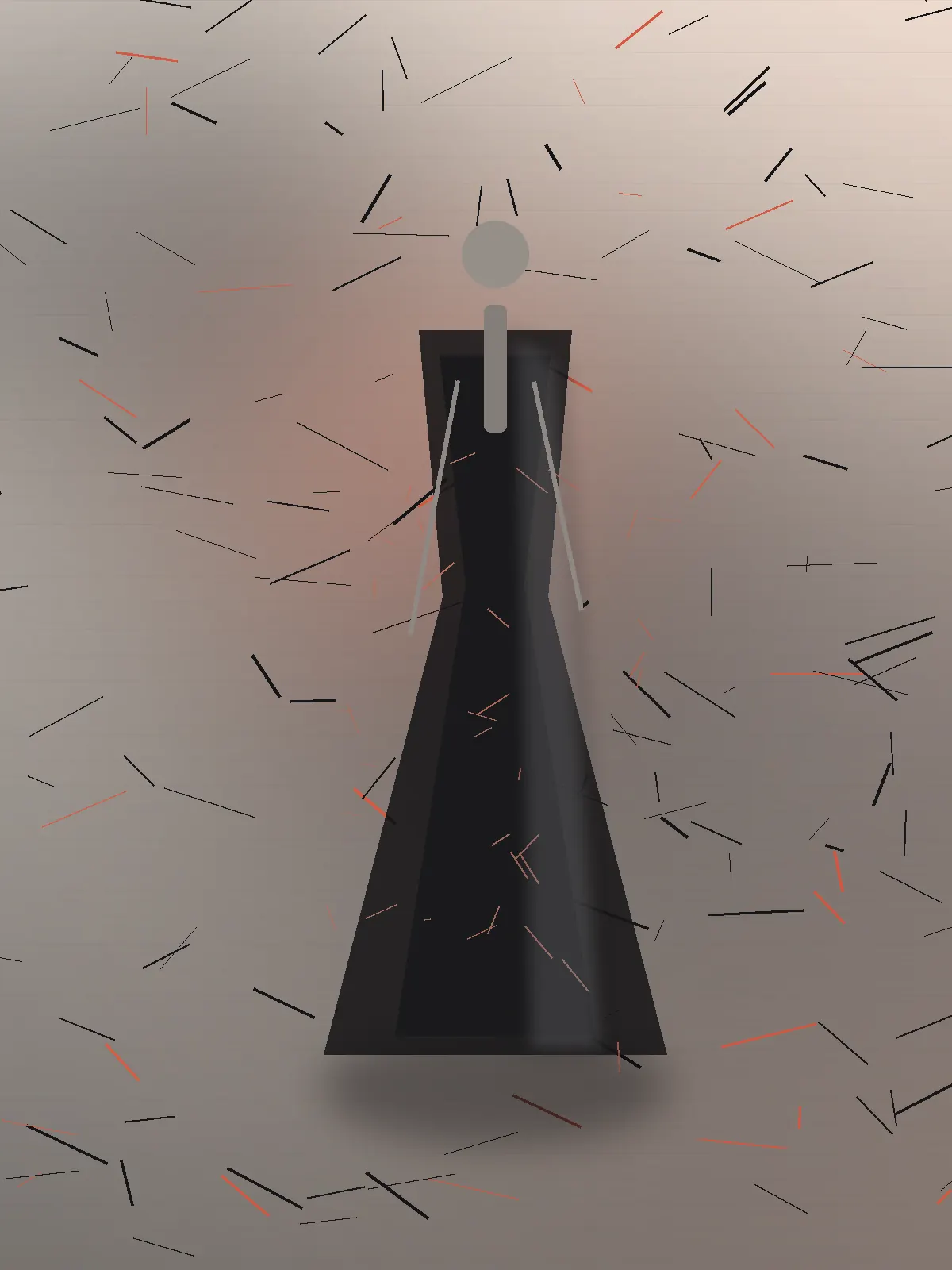
Pattern Noise began with gestural ink marks, copied scans, and repeated print errors. The goal was to see when visual noise becomes a coherent textile language.
Instead of cleaning the results up too early, the process kept traces of duplication, misregistration, and compression.
Editorial gallery
01
The first stage focused on speed: drawing, scraping, copying, and rescanning until the surfaces felt unstable and energetic.
Only later were the strongest motifs selected and controlled into a system.
02
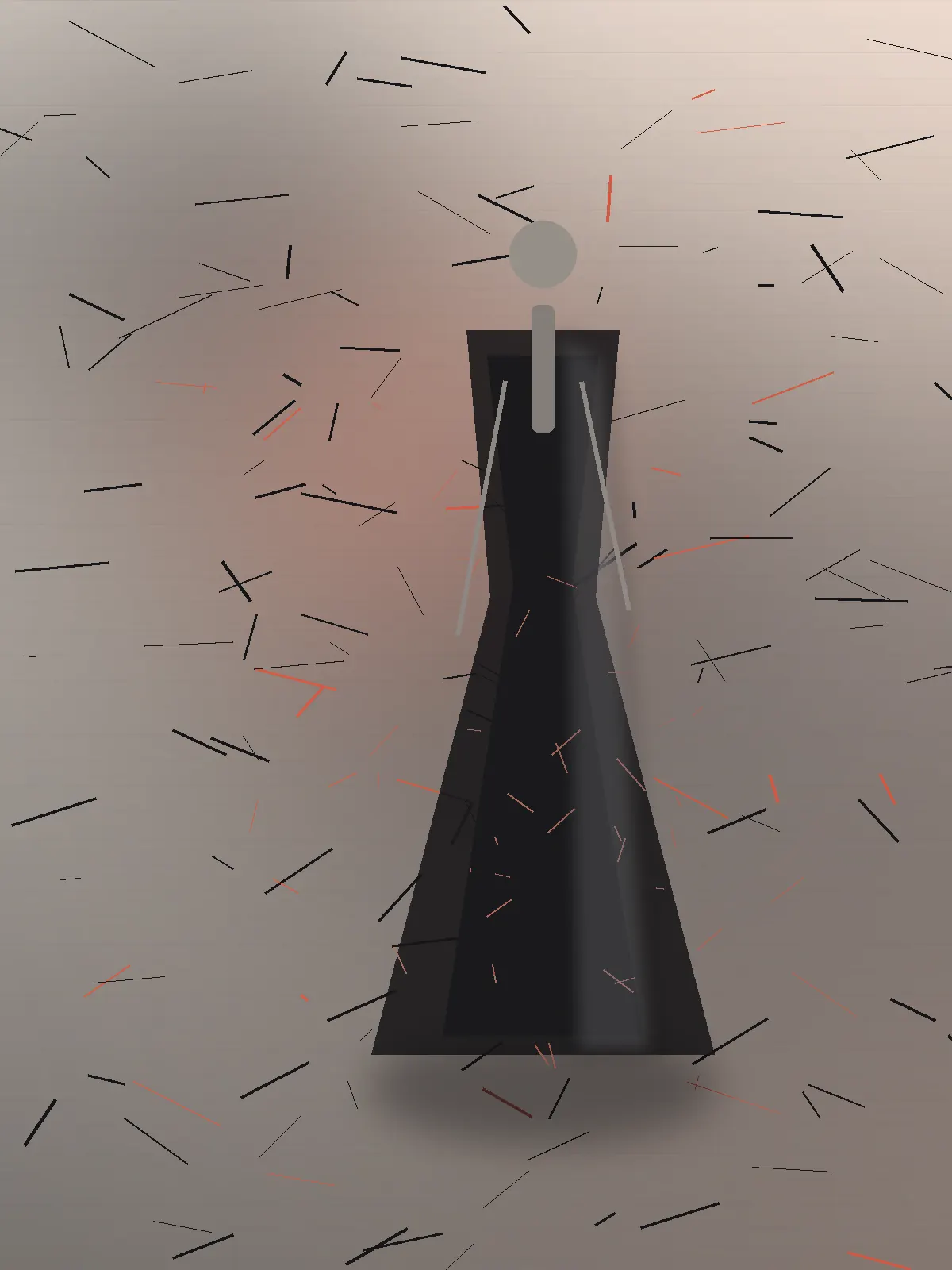
Print placement and scale were tested on both flat swatches and simple garment forms.
The final language works best when the print wraps around seams and interruptions rather than sitting as a flat surface graphic.
03
The case study is intentionally concise because the visual material does most of the talking here.
A tighter edit makes the portfolio stronger and keeps the work from feeling like a sketch dump.
04
Pattern Noise became an important proof point for Oliver Heeck's surface design instincts.
It also widened the portfolio beyond garment construction alone, which helps the site feel more complete and current.
The creator
The strongest work lives between research clarity, physical construction, and the way a look reads in motion. That is why the site gives equal weight to process notes, image direction, and finished pieces.